
Protect the people who protect everyone else.
Healthcare workers are 10% of the U.S. workforce — and absorb nearly half of all workplace-violence injuries. LookDeep turns the video infrastructure your hospital already uses into a continuous safety net, moving care teams from reactive notification to proactive prevention.
A crisis hiding in plain sight
of all reported non-fatal workplace-violence injuries are absorbed by healthcare workers — who make up just 10% of the U.S. labor force. CDC / NIOSH
nurses are assaulted in an acute-care setting every hour, on average. Press Ganey
Events like the 2025 hostage-taking at a Pennsylvania ICU — which left a police officer dead — are now front-page news. AP News
Protecting the professionals who dedicate their lives to caring for others isn't just a moral imperative — it impacts workforce retention, patient care quality, and hospital finances.
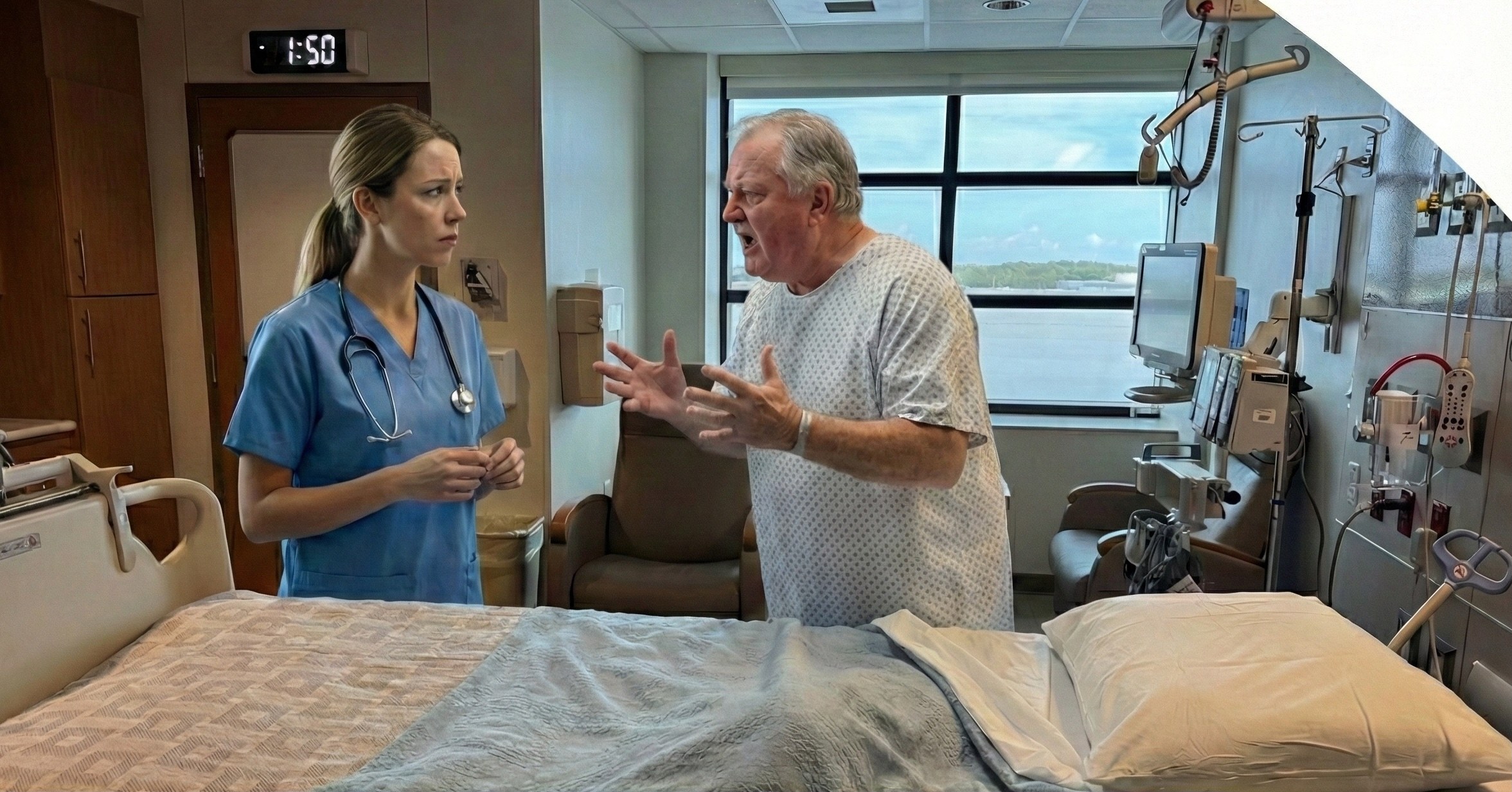
Violence rarely comes out of nowhere
It follows a rapid — but recognizable — progression. The earlier you can see it, the more options you have to keep everyone safe.
Tension builds
Agitated movements and raised voices begin to fill the room.
Behavior escalates
Escalating behaviors signal rising danger to the care team.
A call for help
Clinicians sense the risk and may call for assistance — overtly or subtly.
Harm occurs
Left uninterrupted, the situation can quickly turn harmful.
With AI, we can support clinicians exactly when they call for assistance — and even earlier — by sensing risk and providing an extra set of eyes or timely intervention to help de-escalate before an incident occurs.
We can use the same technology hospitals already need for telemedicine to better care for the nurses and doctors that care for our loved ones.
Narinder Singh · Founder & CEO, LookDeep Health
From reactive notification to proactive prevention
Three capabilities work together to flag and help prevent potential attacks — before they escalate.
Voice Activation
Staff can ask for help the moment they need it — through overt or subtle directed and indirect help words.
AI-Powered Situational Awareness
Computer vision turns the video you already use for tele-ICU, telesitting, and virtual nursing into a continuous safety net — flagging rooms where tension is rising, even before anyone asks for help.
RTLS Integration
Wearable badges let staff silently call for help under duress. Linked to the LookDeep platform, hospitals detect and respond to threats far faster.
See it in action
Voice commands and continuous AI vision watch for risky situations — turning ambient awareness into timely, calm intervention.
The safety net runs on infrastructure you already have
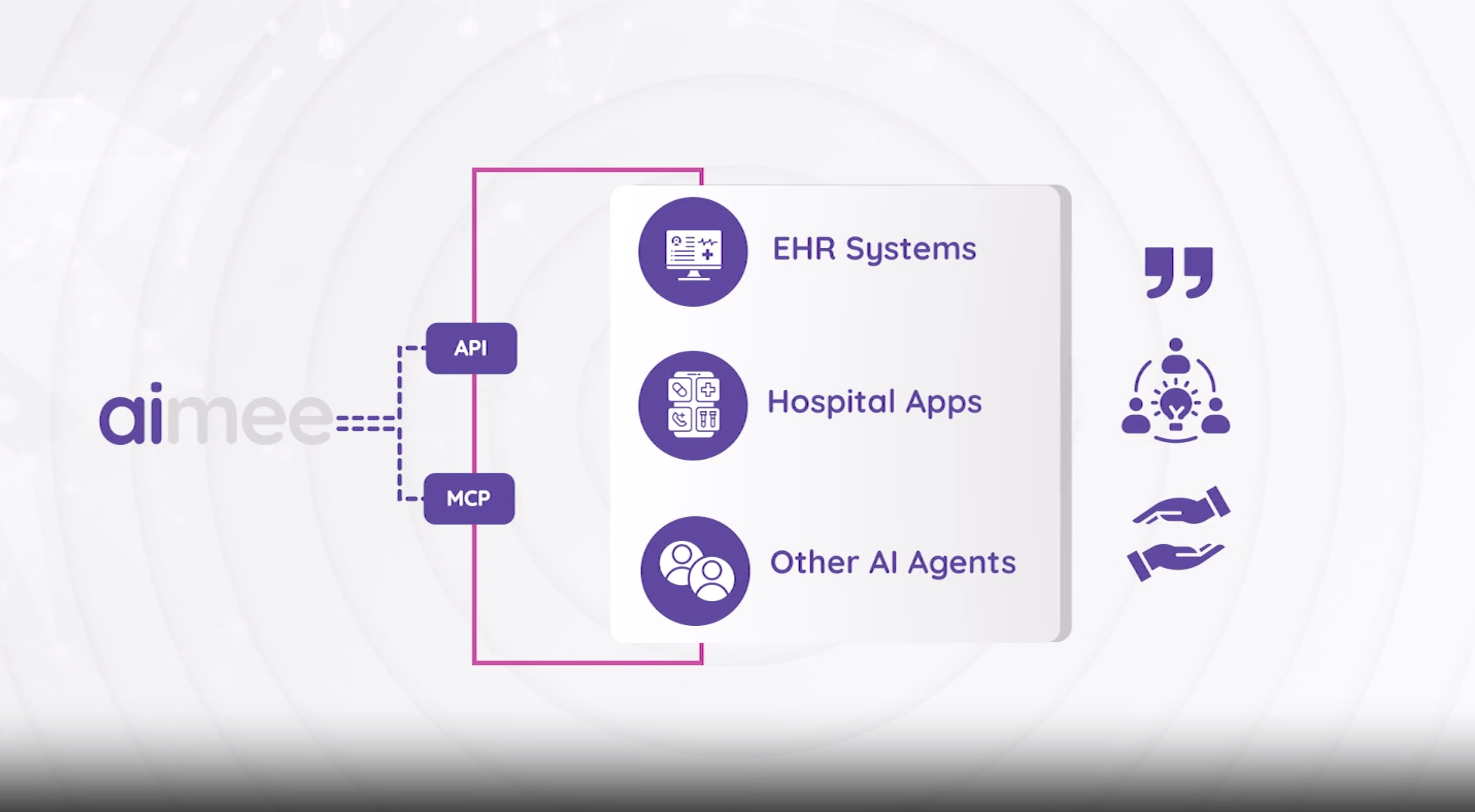
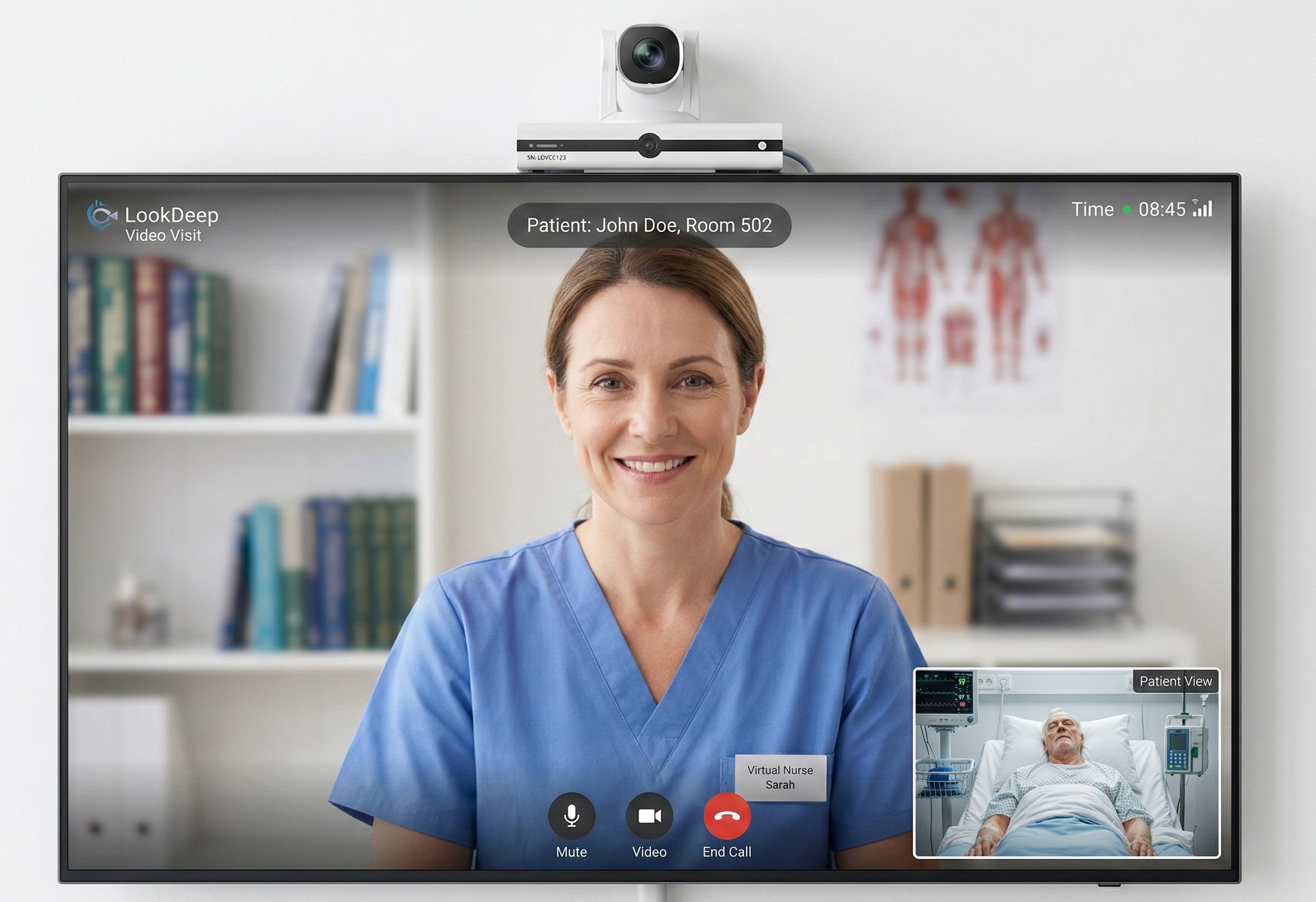
The same cameras and connectivity hospitals deploy for tele-ICU, telesitting, and virtual nursing become an always-on layer of protection — no rip-and-replace, no separate system to manage.
Keep your care teams safe.
See how LookDeep helps hospitals move from reactive notification to proactive prevention.