

Focus care teams where they are needed most with ambient intelligence
Continuous insight into patient rooms helps Virtual Observation, Virtual Nursing and Virtual Medicine teams recognize who needs attention now and respond before risks or delays escalate.
Peer-reviewed vision AI, deployed in health systems today.
Maintain awareness between care-team interactions
Patient needs can emerge at any time, while nurses, observers and specialists balance more patients and competing priorities. Care teams need a clearer way to recognize changes in patient activity, address safety concerns, support clinical work and keep patients and families connected.
iQueue for Virtual Care combines ambient intelligence with Virtual Observation, Virtual Nursing and Virtual Medicine to provide continuous insight across patient rooms, focus attention where it is needed and help bedside and virtual teams coordinate the appropriate response.
Three modules, powered by ambient intelligence
Ambient intelligence is LeanTaaS's engine for seeing what is happening in the hospital, understanding what patients need, and turning it into prioritized work. It launches in Virtual Care and extends across iQueue.
Virtual Observation
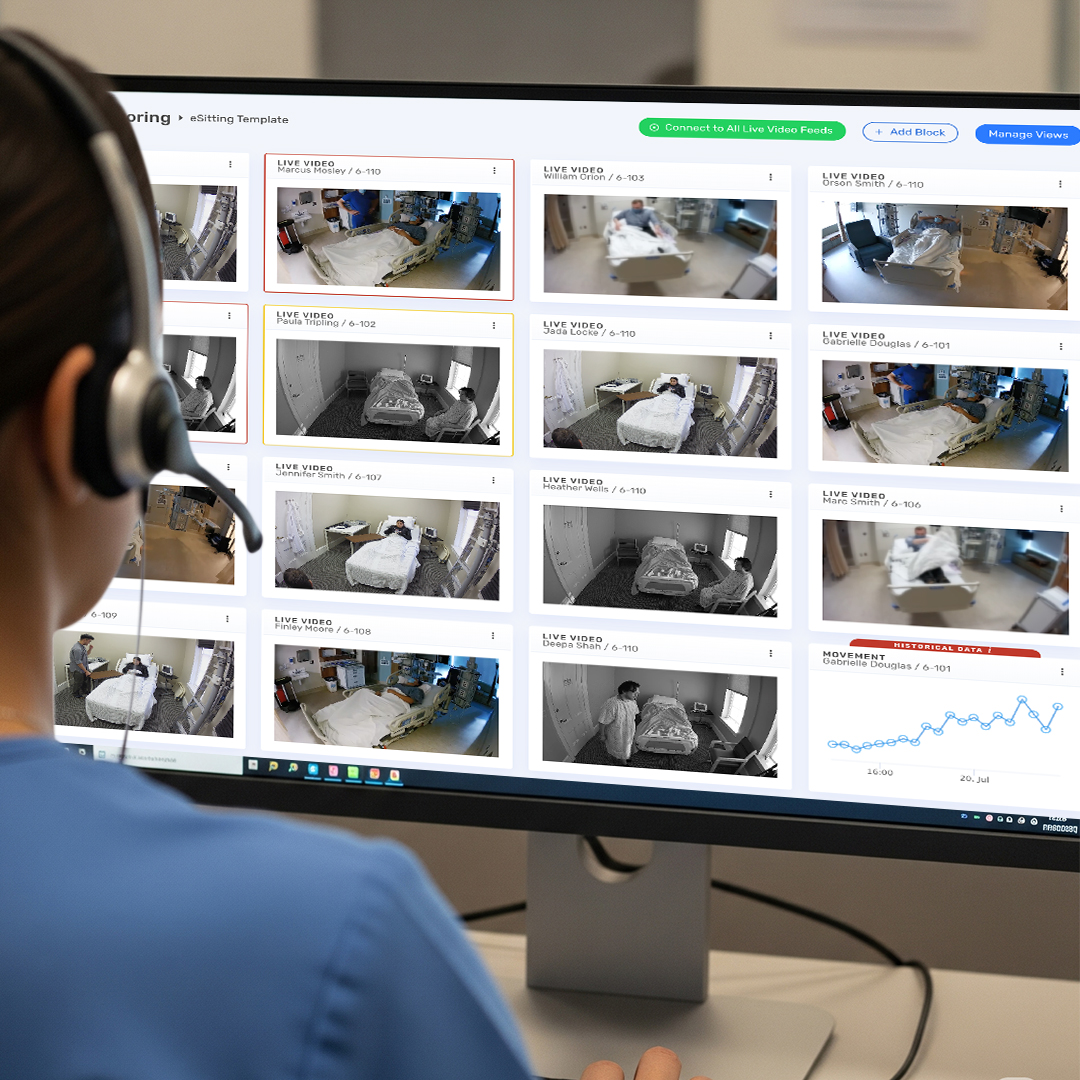
Ambient intelligence with tools that help observers monitor, engage and redirect patients, or escalate to the bedside, for fall prevention and other patient safety events. Includes Infinity Watch, workplace violence and pressure-injury support.
Learn More →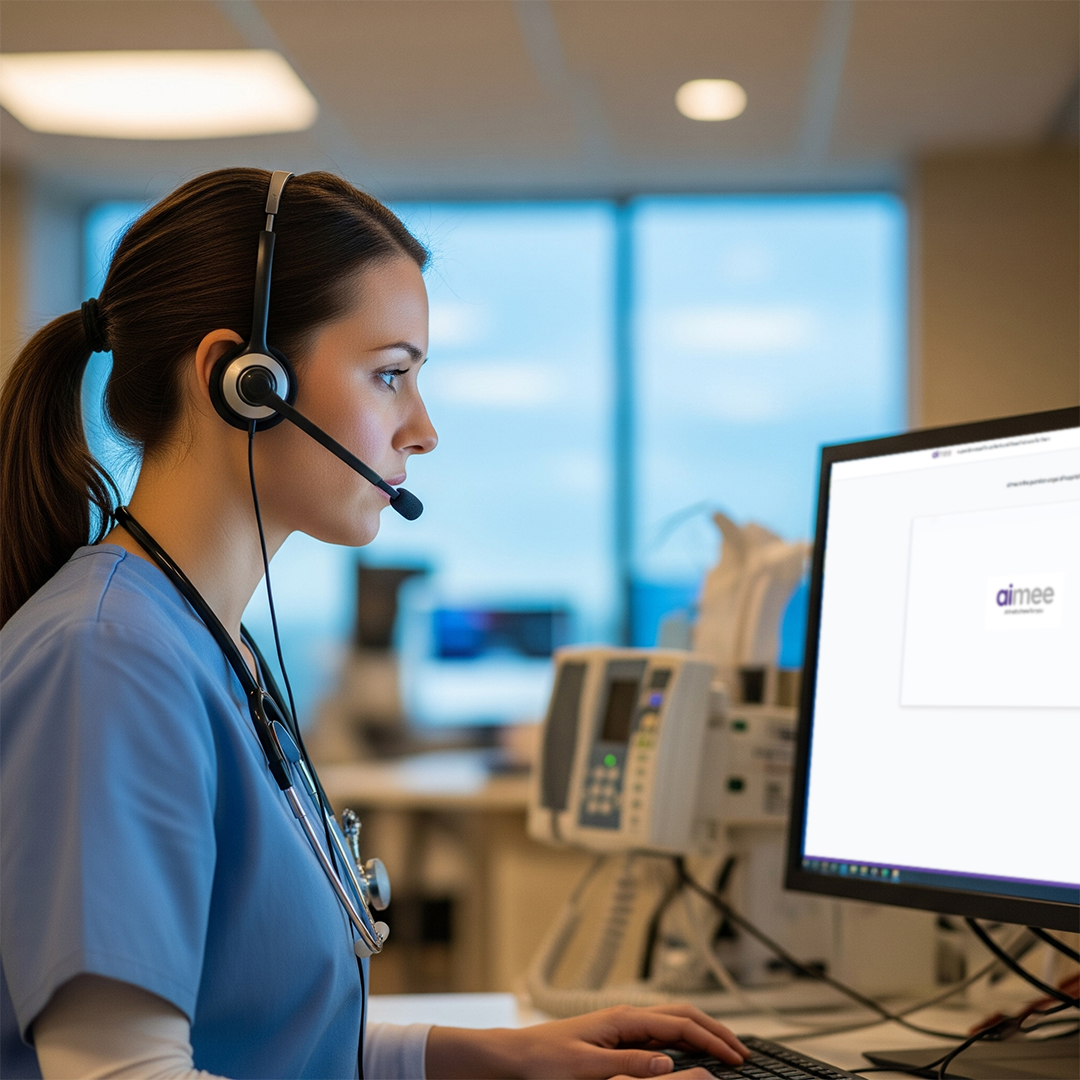
Virtual Nursing
Admissions, rounding, medication reconciliation, patient education, discharge preparation, connecting with families and documentation support, done remotely by virtual nurses with patient-room context.
Learn More →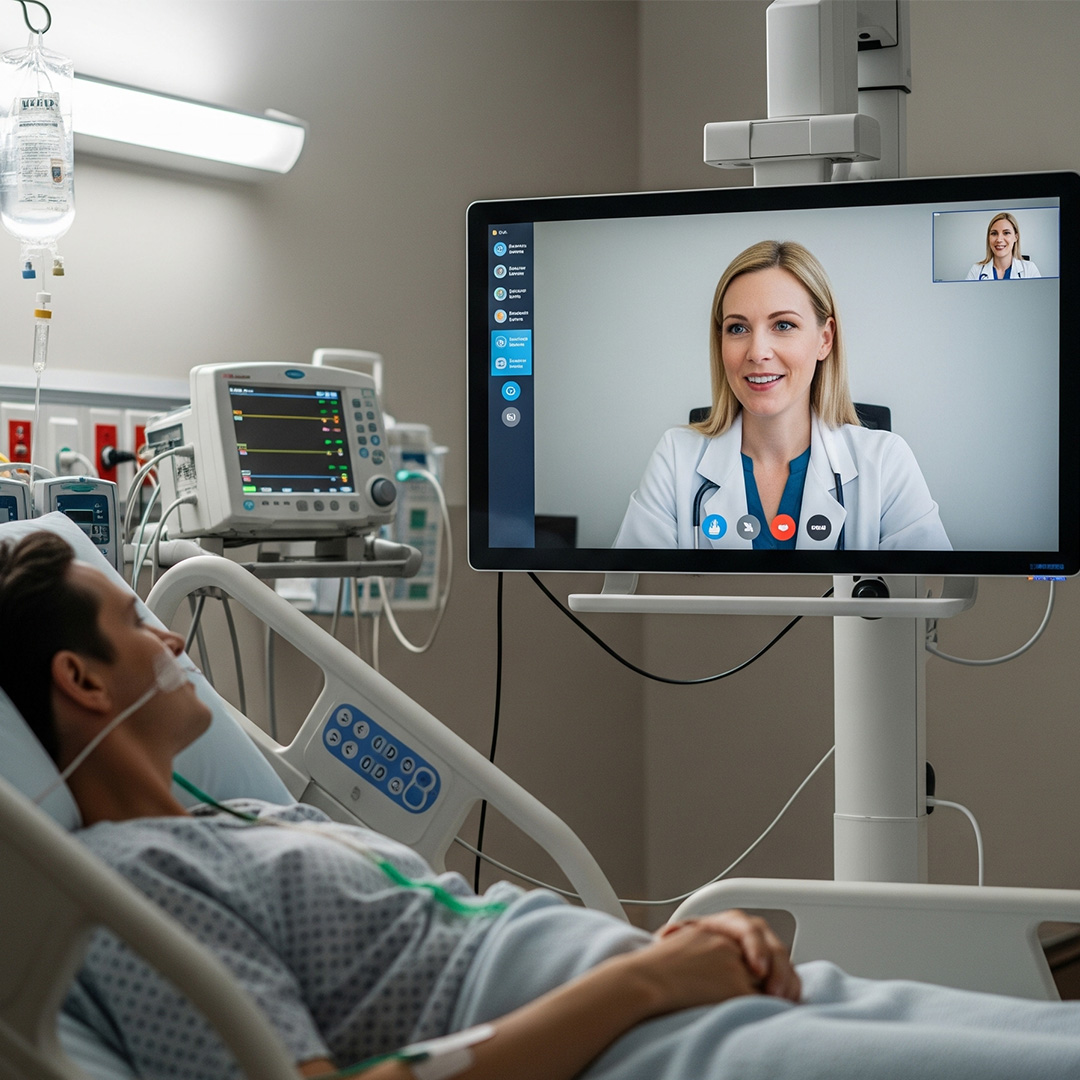
Virtual Medicine
Physicians and specialists in the room by video, from teleconsults to eICU, with interpreters and ambient intelligence insight on every patient.
Learn More →Turn room-level insights into coordinated care
Maintain continuous awareness across enrolled patient rooms
Monitor patient safety, mobility, time alone and changes in room state, bringing forward potential concerns for immediate intervention or care-team assessment.
Extend nursing capacity across the care team
Use patient-room context and prioritized worklists to support admissions, rounding, medication reconciliation, patient education, discharge preparation and family engagement remotely, giving bedside nurses more time for hands-on care.
Scale patient observation and strengthen safety
Combine ambient intelligence and configurable safety zones to expand fall prevention at 3–10x lower cost per monitored hour than 1:1 sitters. Help teams support more patients at risk, recognize potential concerns earlier and focus observers on rooms that may require intervention.
Bring remote care into the patient room
Use two-way video, audio and multilingual communication to connect patients with virtual nurses, physicians, specialists and family members. Support workflows ranging from teleconsults and eICU coverage to patient education and family conversations.
Use the hardware you have or deploy what you need
Build on compatible cameras and in-room devices already in place, or deploy a complete, open hardware solution. Health systems gain flexibility for more strategic investments in virtual care and new care models.
Connect virtual care to existing clinical workflows
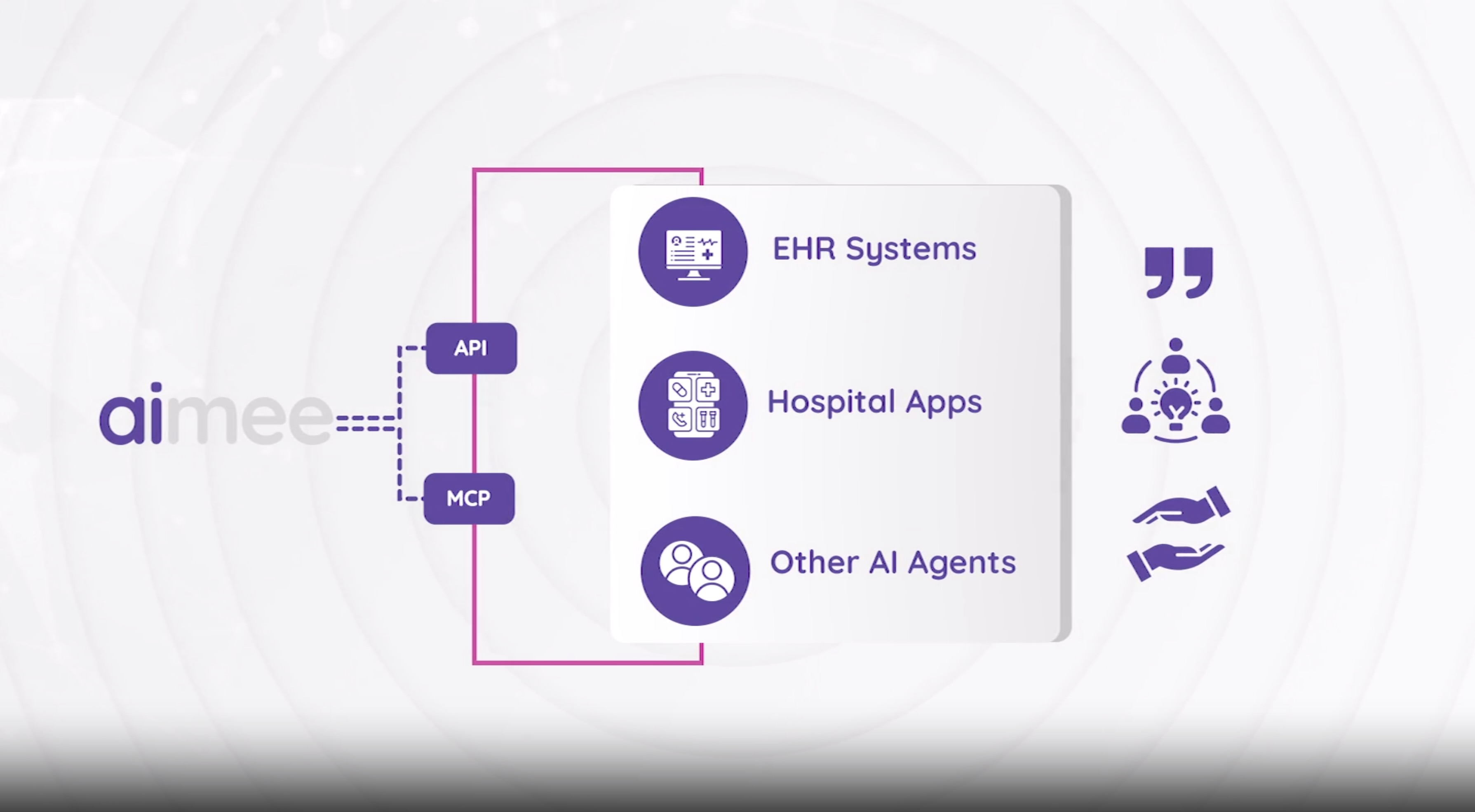
Work alongside the EHR, nurse-call and other clinical systems to support admissions, discharges, patient monitoring, dual-nurse sign-off, remote consults and escalation without creating disconnected workflows for care teams.
Support care teams between check-ins with our patient-facing AI
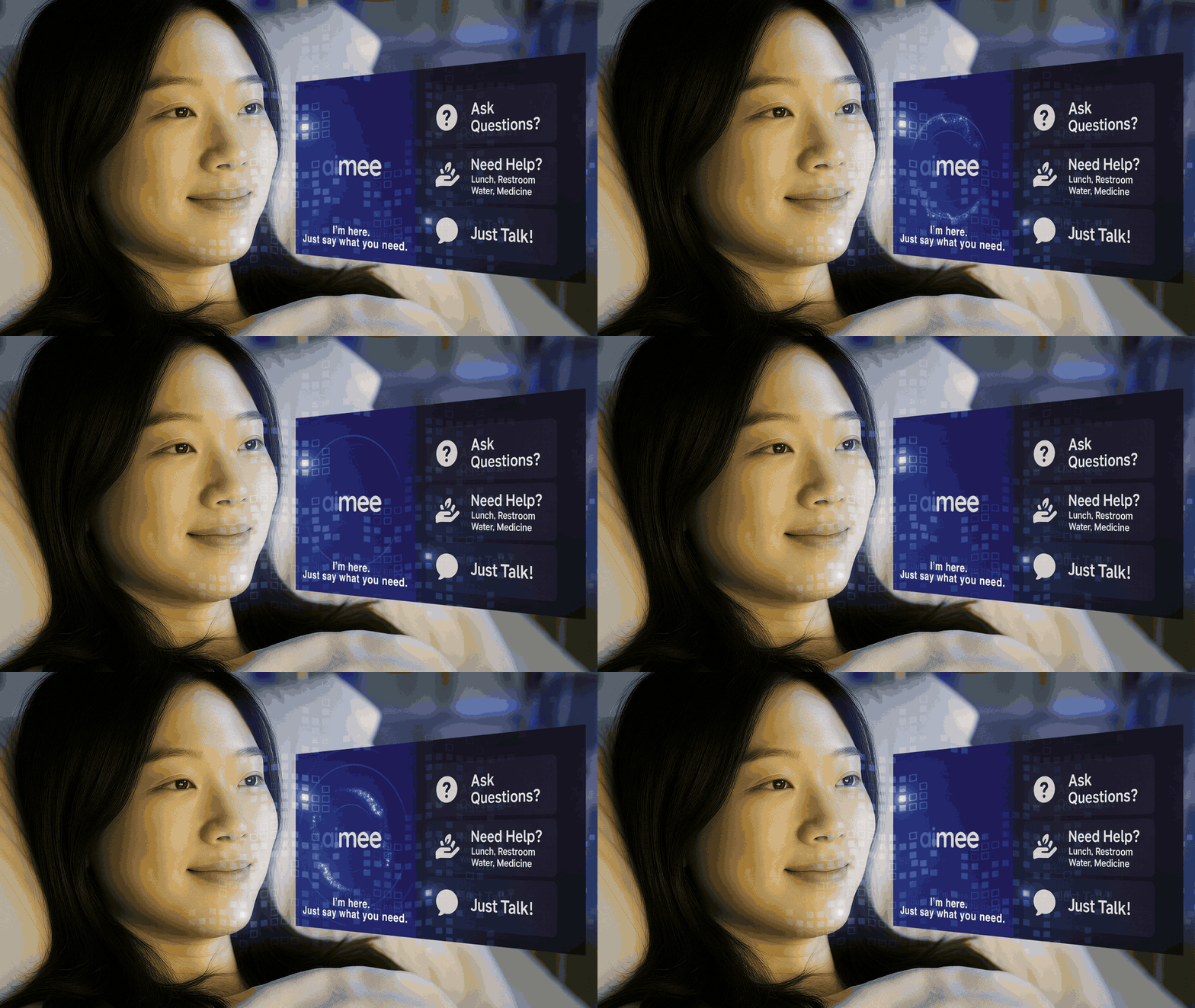
Our patient-facing AI brings ambient intelligence to the patient. It talks with patients, keeps watch between check-ins, and brings in the right person when they're needed. It is live today and expanding, with nurses in charge throughout.
Virtual care that sees, hears, and acts
More than a video connection
Other virtual care platforms connect a remote clinician to a camera. iQueue for Virtual Care understands what is happening in every room, before anyone calls.
AI that is already working
Ambient intelligence is deployed with customers today, built on peer-reviewed vision AI. It is not a roadmap or a pilot.
Connected to how the hospital runs
It is part of iQueue, which hospitals already use to manage beds, schedules and discharges. It is built to bring the room into that same picture.
Results reported by health systems using these capabilities. Individual results vary based on implementation and operating model.
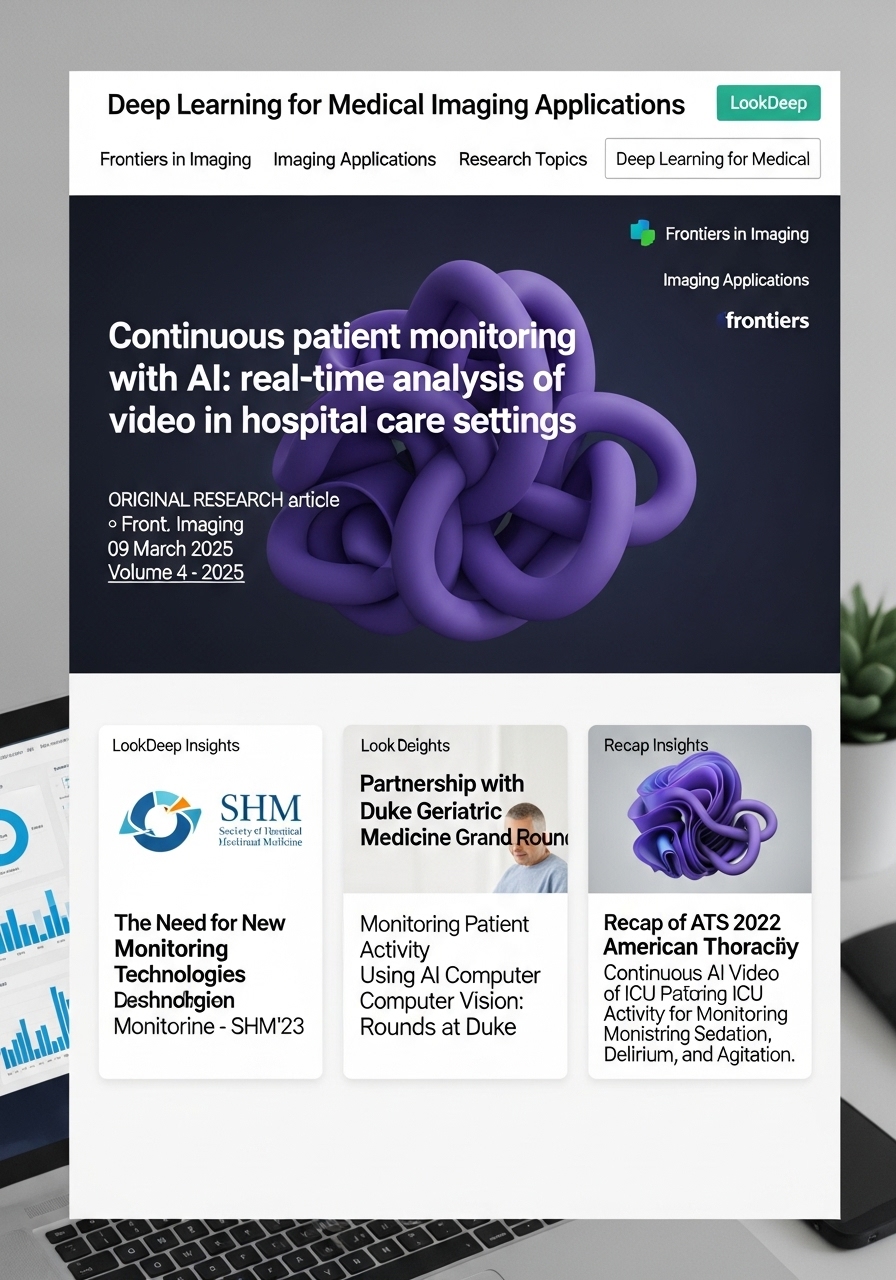
Peer-Reviewed AI Research
iQueue for Virtual Care is built on the only peer-reviewed vision AI among virtual care solutions. The core vision AI was published in Frontiers in Imaging (2025), measured on real-world video from 11 hospitals and 1,000+ patient-days.
“Healthcare innovation typically advances in incremental steps, but Aimee feels like a leap forward.”
— Maria Russo MBA, CIO OU Health
Frequently Asked Questions
What is iQueue for Virtual Care? +
iQueue for Virtual Care gives hospitals Virtual Observation, Virtual Nursing and Virtual Medicine, powered by ambient intelligence. It provides virtual and bedside teams with patient-room context to help them recognize where attention may be needed, complete appropriate work remotely and coordinate the response.
What is ambient intelligence? +
Ambient intelligence expands what iQueue can sense by capturing relevant context beyond the EHR, including what is happening in patient rooms. Advanced computer vision helps care teams recognize where attention may be needed and turns that context into prioritized work and coordinated action. It begins in Virtual Care and will extend across iQueue.
How does iQueue for Virtual Care support health systems? +
iQueue helps health systems maintain awareness between care-team interactions and extend capacity across the care team. Virtual nurses and observers can support appropriate work remotely, while bedside teams remain available for care requiring their physical presence.
What do Virtual Observation, Virtual Nursing and Virtual Medicine include? +
Virtual Nursing supports workflows such as admissions, rounding, medication reconciliation, patient education, discharge preparation and family engagement. Virtual Observation combines ambient intelligence with tools that help observers monitor, engage and redirect patients, or escalate to the bedside for fall prevention and other patient safety events. Virtual Medicine brings physicians and specialists into the room by video, from teleconsults to eICU.
How does the platform work with existing clinical systems and workflows? +
iQueue is designed to work alongside existing ADT, EHR and nurse-call systems. It supports configurable workflows, role-based permissions and privacy controls based on each health system's technology environment, policies and operating model.
What results have health systems achieved? +
Health systems using these capabilities have reported a 70–90% reduction in reported fall rates, 3–10x lower cost per monitored hour than 1:1 sitters, 50–75% lower cost than industry-standard virtual sitting and a 2x increase in nursing contact per patient. Individual results vary based on implementation and operating model.
What happens to LookDeep? +
LookDeep Health is now part of LeanTaaS, and its technology is part of iQueue. Existing LookDeep customers can continue using their current products and workflows.
Latest News
LookDeep Joins LeanTaaS, and the Companies Introduce iQueue for Virtual Care
See the press release.

Real-World AI for Hospitals: Peer-Reviewed Evidence
The only peer-reviewed vision AI among virtual care solutions.

LookDeep Health and Nexus Bedside Partner to Redesign Hospital Care with Agentic AI
A strategic partnership to bring AI-powered care to every hospital bedside.
See iQueue for Virtual Care in your hospital
Talk with our team, or try our patient-facing AI yourself. No sign-up required.
iQueue for Virtual Care provides observation and workflow support for care teams. It does not diagnose, treat, or make clinical decisions. Clinicians remain responsible for all clinical judgments.