
Virtual Eyes – How Computer Vision(AI) Can Help Patients and Hospital Financials
Technology that Directly Helps Us Watch Patients
American hospitals face mounting pressure: patient complexity is rising while staffing remains constrained and workforce burnout escalates. An aging population and increasing chronic disease prevalence drive higher patient acuity, yet budget constraints and turnover force clinical teams to accomplish more with fewer resources. Healthcare organizations find themselves caught between competing demands — the need for enhanced patient care and financial pressures requiring operational efficiency.
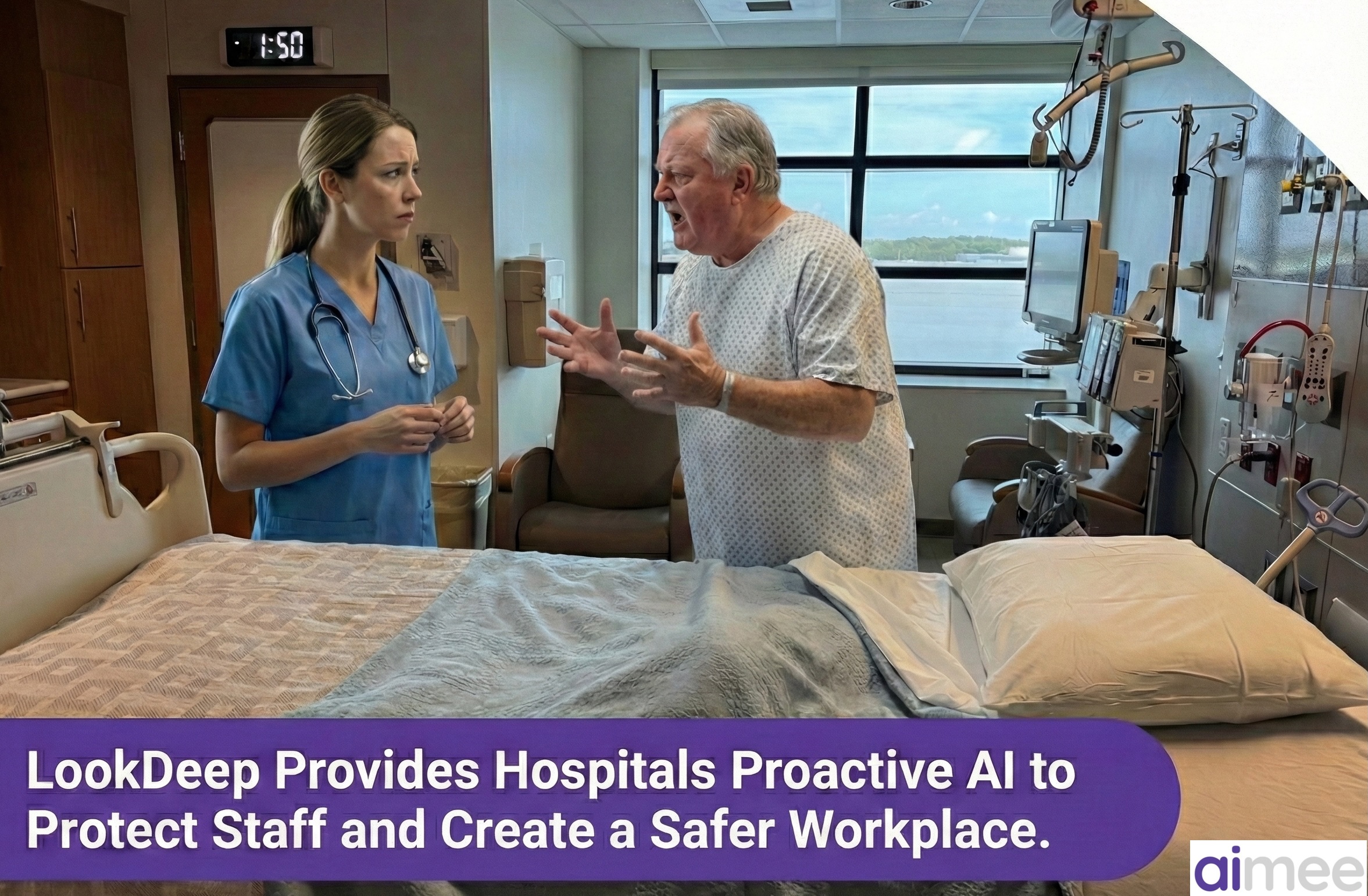
Computer vision and artificial intelligence represent viable solutions to this challenge. By deploying cameras and AI algorithms throughout patient care areas, hospitals gain continuous observational capacity that extends clinical staff presence beyond physical limitations. These systems can monitor patient movements, actions, and behaviors to enhance safety and care quality.
Current algorithms can already detect vital signs including heart rate, respiratory rate, and blood pressure. As the technology evolves, its analytical capabilities will progress beyond general observation toward clinician-level and sensor-level insights.
Key Applications
The technology identifies unsafe behaviors like unsupervised bed exits, preventing falls and injuries while enabling timely intervention. Beyond reactive monitoring, AI algorithms can recognize warning signs preceding complications — pressure ulcers, respiratory infections — allowing early clinical action that prevents severe conditions and shortens hospital stays.
Continuous observation provides insights into patient mobility, rest-wake cycles, potential delirium, and overall health status. Systems can track activity patterns and alert providers when patients face risks of conditions like delirium or sudden immobility changes.
Computer Vision and Patient Observation
While AI analyzing existing electronic health record data delivers meaningful benefits, computer vision fundamentally expands observational capacity by generating entirely new clinical data streams rather than merely interpreting existing information.
The technology promises significant outcomes: improved patient safety, reduced staff workload, decreased burnout, and better retention. By automating monitoring tasks, clinicians can redirect attention toward higher-value activities requiring expertise and judgment.
Current limitations demand human oversight. Clinical decision-making should remain provider-centered during this developmental phase, with AI functioning as decision support rather than replacement. Removing human review requires extensive validation, particularly for the complex edge cases characterizing hospital care.
Hospitals must navigate a progression — recognizing AI’s transformative potential while implementing thoughtful adoption strategies. Organizations must advance through phases of integration, allowing these models to mature within emerging clinical workflows. Those delaying implementation risk falling substantially behind in addressing both patient outcomes and financial responsibility.
Related Articles
Continue exploring insights on similar topics.
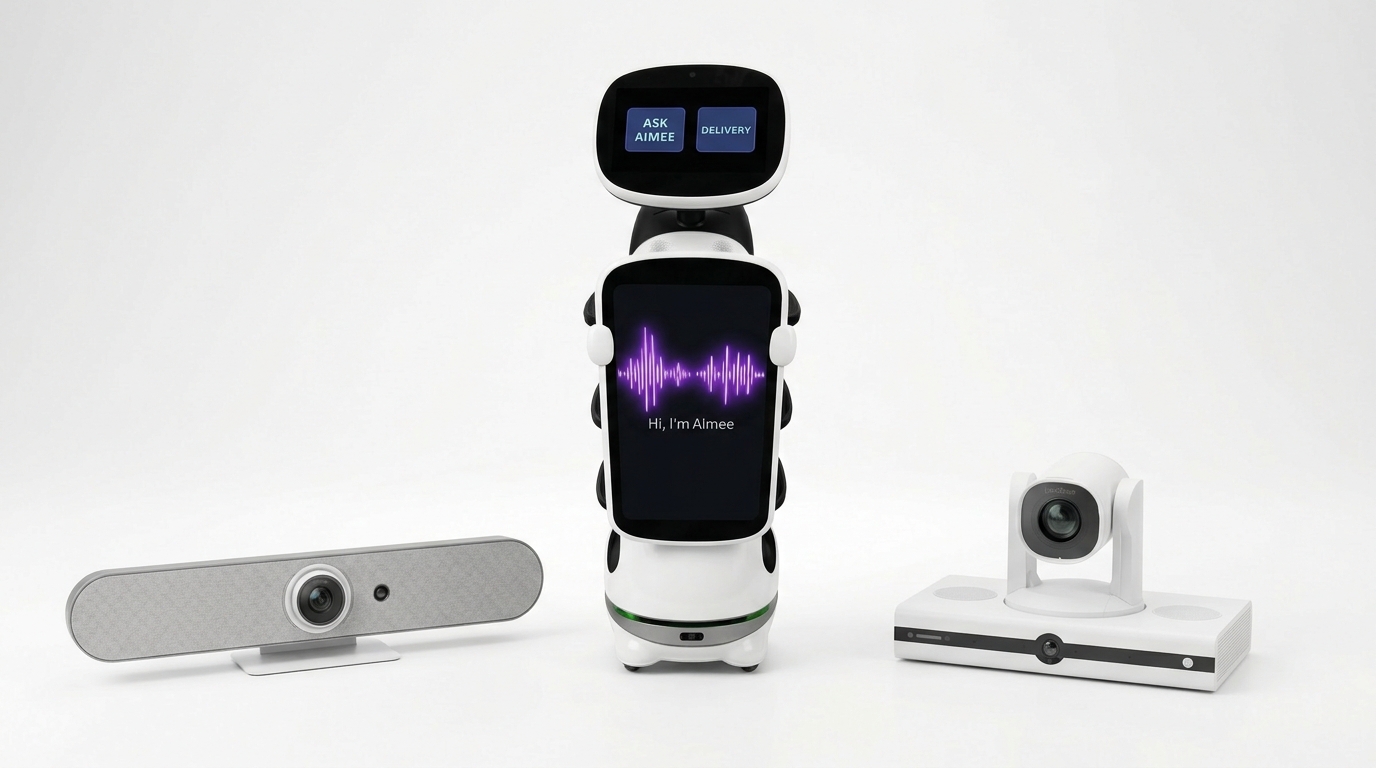
Accelerating Your AI Future with the Video Dial Tone — or Slowly Killing It Without One
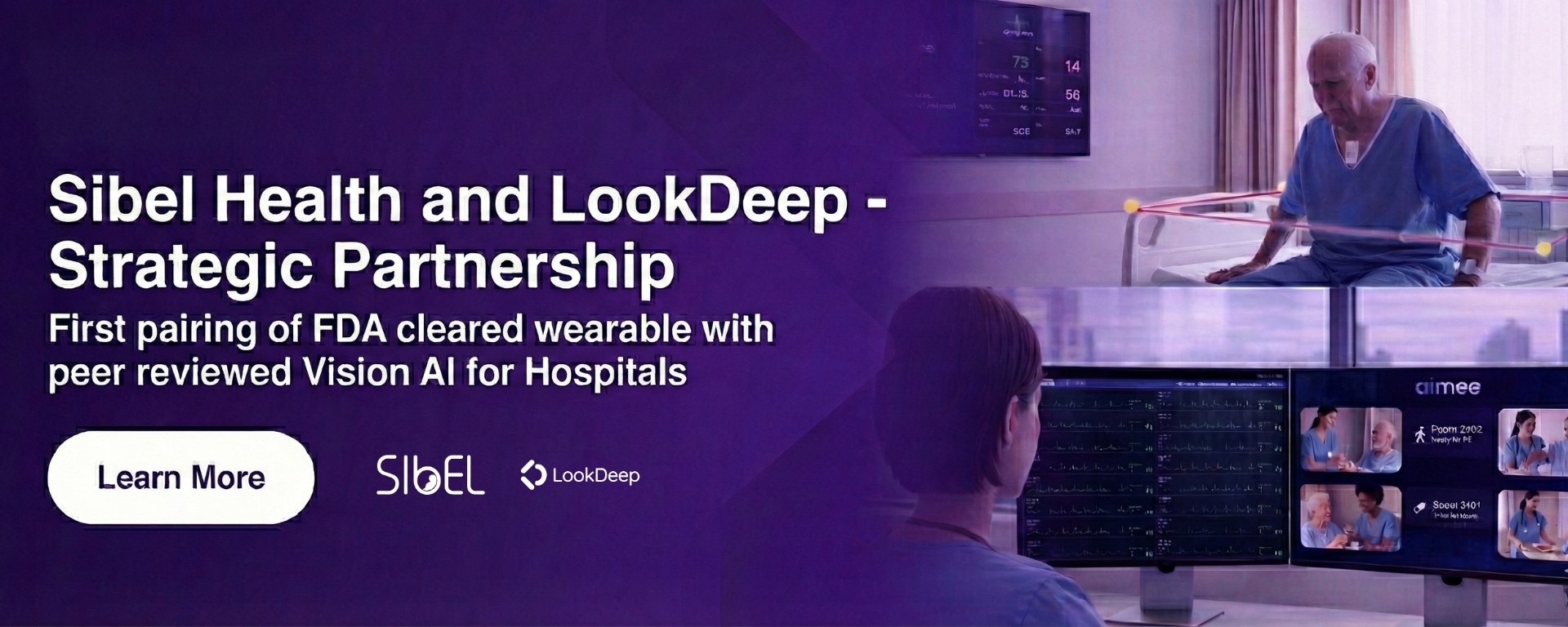
Sibel Health and LookDeep Health Announce Strategic Partnership to Combine Continuous Vitals with Real-Time Bedside AI - Without Lock-In