Beyond Smart Hospitals: Why the Future Belongs to Agentic AI
By Narinder Singh, CEO of LookDeep Health — originally published in Becker’s Hospital Review.
For most hospitals, AI still lives in the chart. In Becker’s Hospital Review, our CEO Narinder Singh argues that’s exactly where the play has already been — and that the hospitals who win will skate to where care is actually going: into the room.
“Wayne Gretzky’s line — ‘I skate to where the puck is going, not where it’s been’ — has never mattered more for hospitals facing the pace of AI.”
Care doesn’t live in the chart
Documentation tools and analytics mine the same structured data. Helpful — but they miss where care actually happens.
“…anyone who has spent time in a hospital knows that care doesn’t live in the EHR. It lives in the room: a nurse balancing too many demands, a subtly sluggish patient, a sudden decompensation after concerns during morning rounds.”
Virtual sitters, translators, AI scribes — all solve real problems, and all are narrow steps. They hint at what’s possible without being ambitious enough for what hospitals now need.
Where the Smart Hospital stops, the Agentic Hospital begins
“This is where Smart Hospitals stop and the Agentic Hospital begins — a new care model built around AI agents that don’t just watch but act — working directly for patients and the care team.”
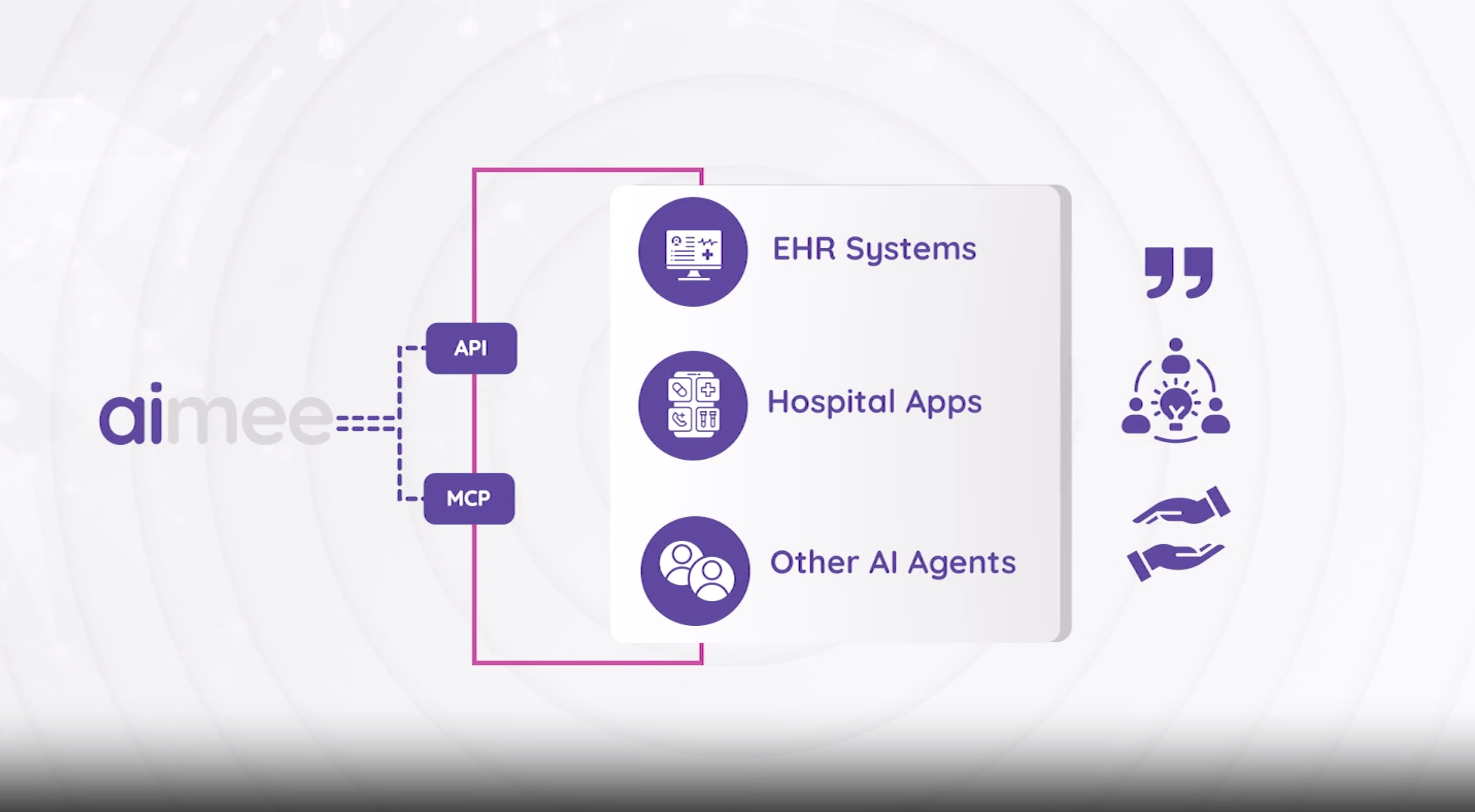
Smart Hospitals connect dashboards and devices. The Agentic Hospital puts hyper-personalized agents where they matter most — in the room with patients, and everywhere staff need support. Soon those agents won’t just connect to systems; they’ll collaborate across them, even handing off to Epic’s Emmie AI agent at discharge to preserve continuity for patients and peace of mind for families.
This isn’t theoretical. It’s live.
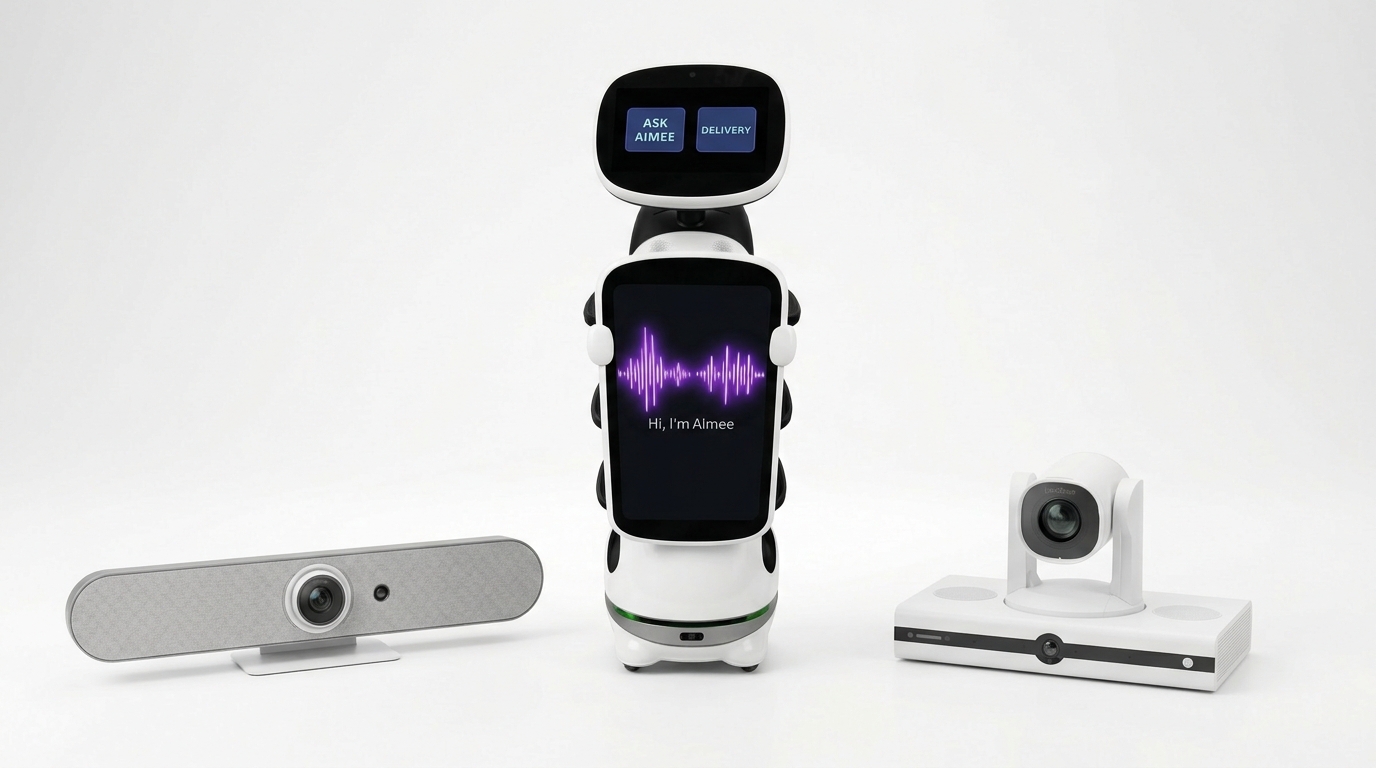
LookDeep built aimee for this future — and that future is already in hospitals today. When Narinder asked aimee what she might have done for his mother during her lung transplant, she answered:
“I could have kept her comfortable, reminded the staff about her needs, and made sure your family felt supported and less alone. I would have been there when you couldn’t.”
“That’s not marketing copy. It’s how she responds in real time.”
The payoff goes beyond any single moment: fewer safety incidents, smoother communication across patients, families, and staff, and clinicians freed to focus on the decisions only they can make. As Narinder puts it:
“Don’t just talk about AI. Experience it. Transparency is the antidote to hype.”
Related Articles
Continue exploring insights on similar topics.
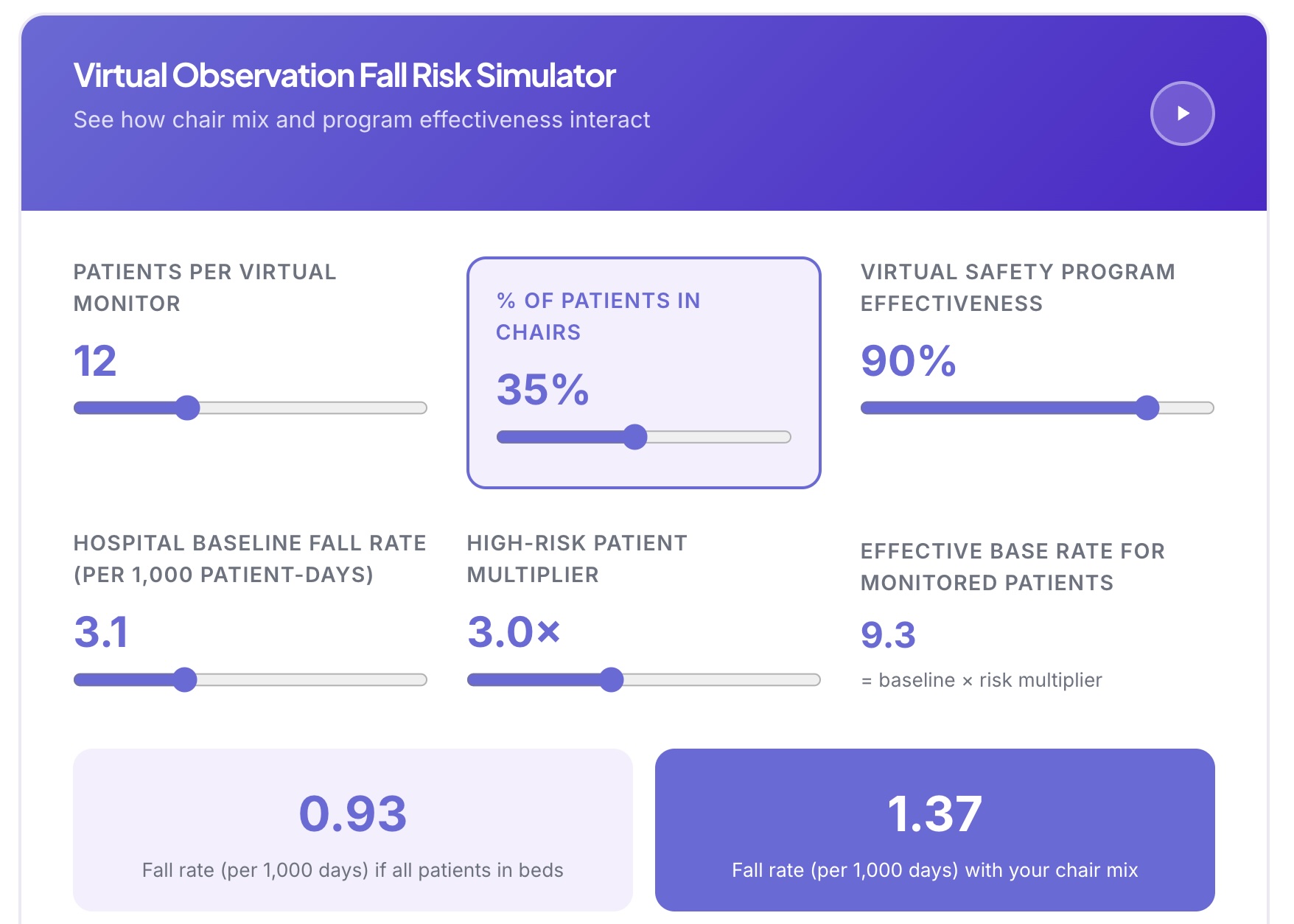
The Chair Problem – What Every Nurse Should Know About Seated Fall Risk
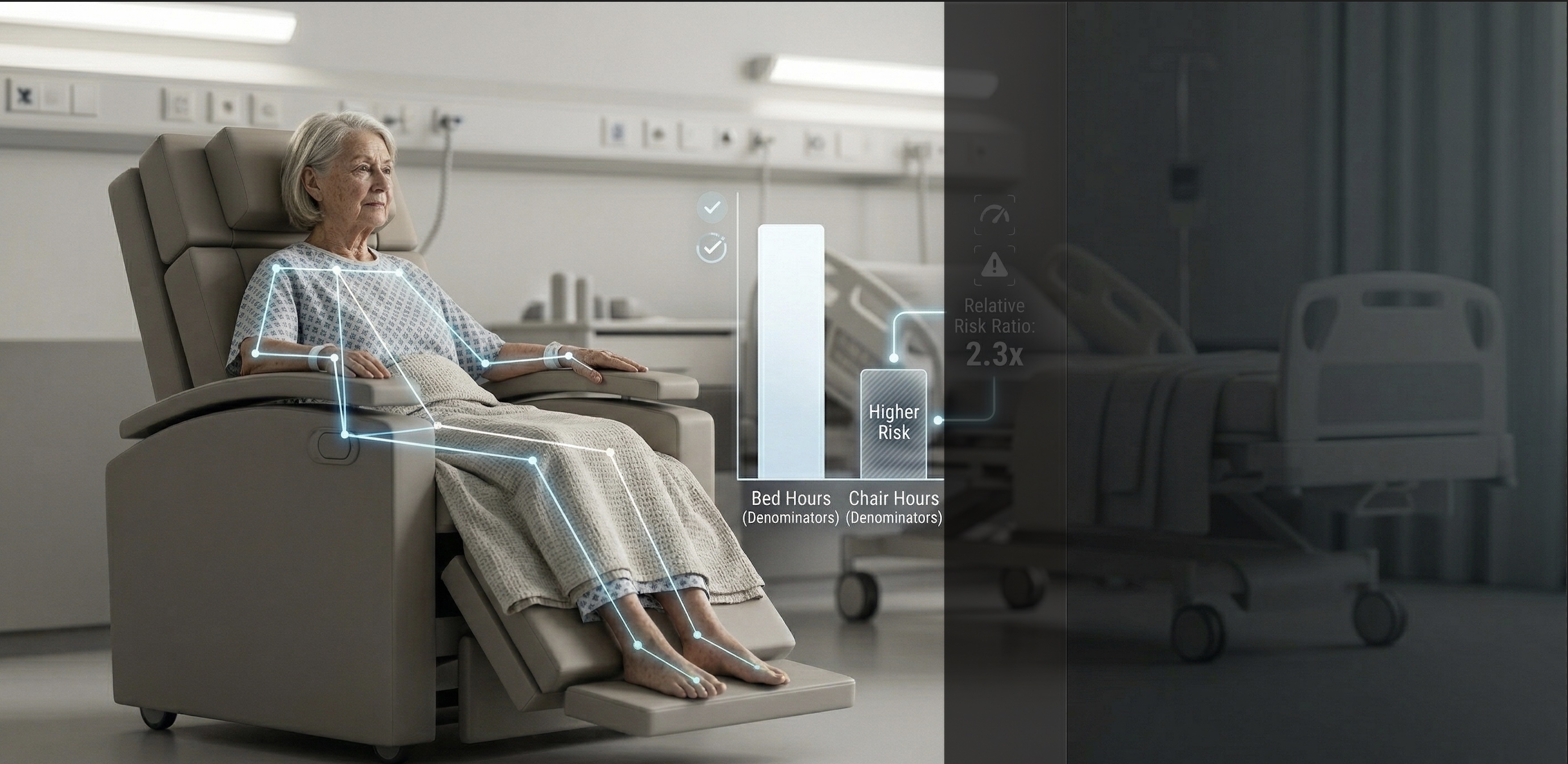
New Research: Exposure-Normalized Bed and Chair Fall Rates via Continuous AI Monitoring