
Addressing Nurses' Concerns: How AI Can Support, Not Replace, Human Care
By Tiffany Wyatt, RN, BSN, Director of Nursing at LookDeep Health
Overview
In response to nursing concerns about artificial intelligence in healthcare settings, this article demonstrates how AI can function as a supportive assistant rather than a replacement for human caregivers. Patient care should remain the central focus when implementing these technologies.
Key Context
Healthcare systems face mounting pressure from increased patient complexity and workforce limitations. Research indicates that roughly one-quarter of nursing professionals harbor reservations about AI adoption, with primary concerns centering on algorithmic reliability (61%), reduced human interaction (49%), and insufficient training on tool implementation (36%).
Core Arguments
Thoughtful Implementation is Essential
Nurses must participate in both the creation and deployment phases of AI systems. Active involvement helps demystify the technology and positions it as a practical support mechanism rather than a competitive threat.
AI as a Clinical Co-Pilot
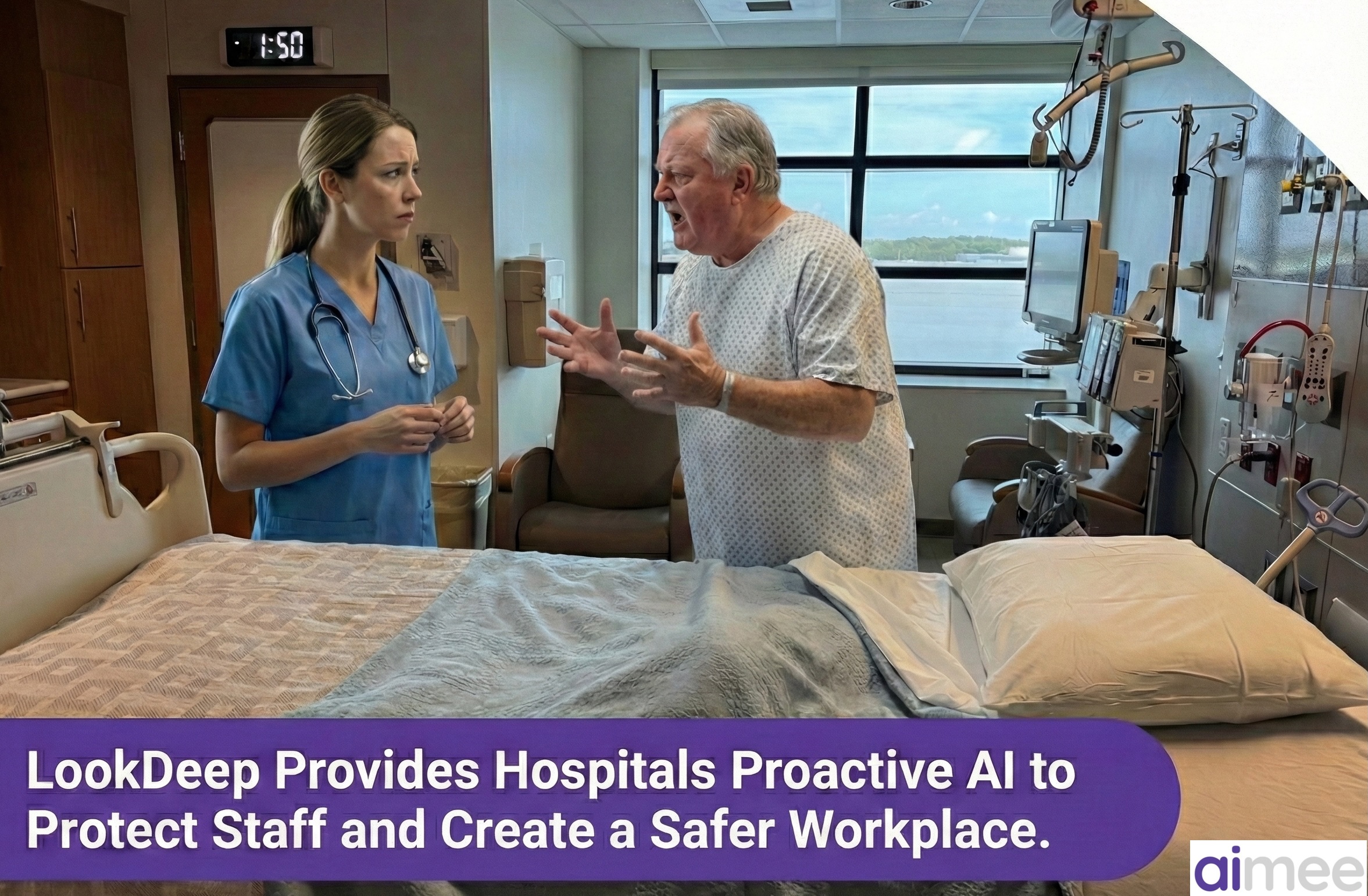
AI functions like an airplane co-pilot — handling routine tasks while allowing nurses to concentrate on direct patient interaction. For example, vision-based AI monitors patient movement patterns through video analysis, alerting staff to behavioral changes without requiring constant physical presence.
Pandemic-Era Lessons
The COVID-19 experience demonstrated video monitoring’s value in hospital settings. AI-enhanced video systems can automate documentation updates and track movement trends, returning time to nurses for meaningful patient engagement.
Trust and Validation
Building professional confidence requires peer-reviewed evidence and real-world performance data demonstrating AI’s reliability and clinical benefit.
Conclusion
When properly integrated, AI augments nursing capabilities rather than displacing human caregivers. Nurses remain central to patient outcomes while gaining technological support for administrative and monitoring responsibilities.
Related Articles
Continue exploring insights on similar topics.
Accelerating Your AI Future with the Video Dial Tone — or Slowly Killing It Without One
Sibel Health and LookDeep Health Announce Strategic Partnership to Combine Continuous Vitals with Real-Time Bedside AI - Without Lock-In